The processor (CPU) of the computer computes the instructionsto execute and stores its computation results into registers. Theseregisters are fast memory elements which stores the result of theCPU. The processor can access the normal memory over the memory bus.A amount of memory a CPU can access is based on the size of thephysical address which the CPU uses to identify physical memory. A16-bit address can access 2^16 (=65.536) memory locations.
A 32-bitaddress can access 2^32 (=4.294.967.296) memory locations. If eachmemory area consists of 8 bytes then a 16-bit system can access 64KBof memory and the 32-bit system can access 4GB of memory. In case a variable is very expensive to create then sometimes it is good to defer the creation of this variable until the variable is needed.This is called lazy initialization.In general lazy initialization should only be used if a analysis has proven that this is really a very expensive operations.This is based on the fact that lazy initialization makes it more difficult to read the code.I use the project 'de.vogella.performance.lazyinitialization' for the examples in this chapter. And a have a own field defined. The Java JIT compiler compiles Java bytecode to nativeexecutable code during the runtime of your program. This increases theruntime of your program significantly. The JIT compiler uses runtimeinformation to identify part in your application which are runtimeintensive.

These so-called 'hot spots' are then translated nativecode. This is the reason why the JIT compiler is also called'Hot-spot' compiler.JIT is store the original bytecode and the native code inmemory because JIT can also decide that a certain compilation stepsmust be revised.
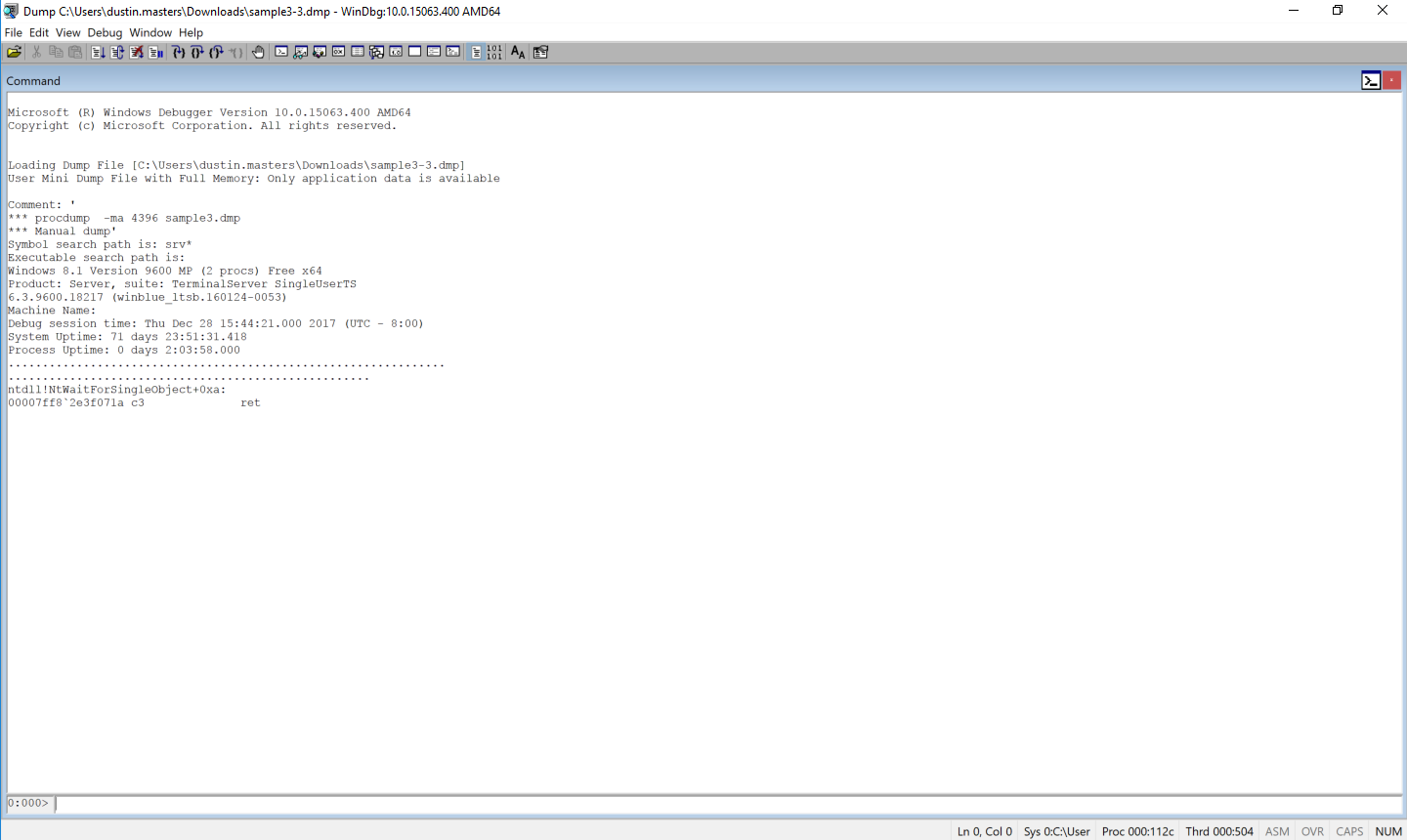
Active Memory Dump. 2 minutes to read.In this articleAn Active Memory Dump is similar to a, but it filters out pages that are not likely to be relevant to troubleshooting problems on the host machine. Because of this filtering, it is typically significantly smaller than a complete memory dump.This dump file does include any memory allocated to user-mode applications. It also includes memory allocated to the Windows kernel and hardware abstraction level (HAL), as well as memory allocated to kernel-mode drivers and other kernel-mode programs. The dump includes active pages mapped into the kernel or user space that are useful for debugging, as well as selected Pagefile-backed Transition, Standby, and Modified pages such as the memory allocated with VirtualAlloc or page-file backed sections. Active dumps do not include pages on the free and zeroed lists, the file cache, guest VM pages and various other types of memory that are not likely to be useful during debugging.An Active Memory Dump is particularly useful when Windows is hosting virtual machines (VMs).
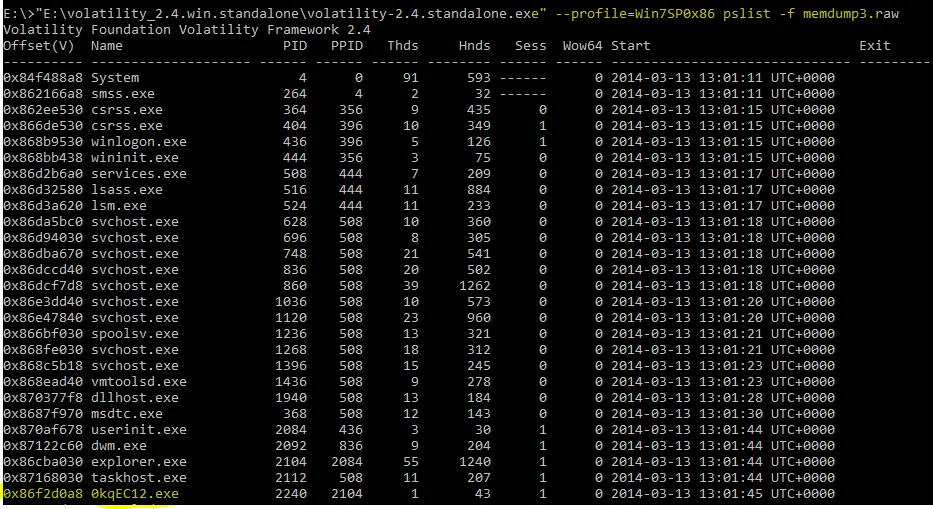
Memory Dump Running Program List
When taking a complete memory dump, the contents of each VM is included. When there are multiple VMs running, this can account for a large amount of memory in use on the host system. Many times, the code activities of interest are in the parent host OS, not the child VMs. An active memory dump filters out the memory associated with all of the child VMs.The Active Memory Dump file is written to%SystemRoot%Memory.dmp by default.The Active Memory Dump is available in Windows 10 and later.Note To suppress missing page error messages when debugging an Active Memory Dump, use the command. Related topicsRecommended Content.